

The Ad-Era is Over. Welcome to the Influencer-First Economy.
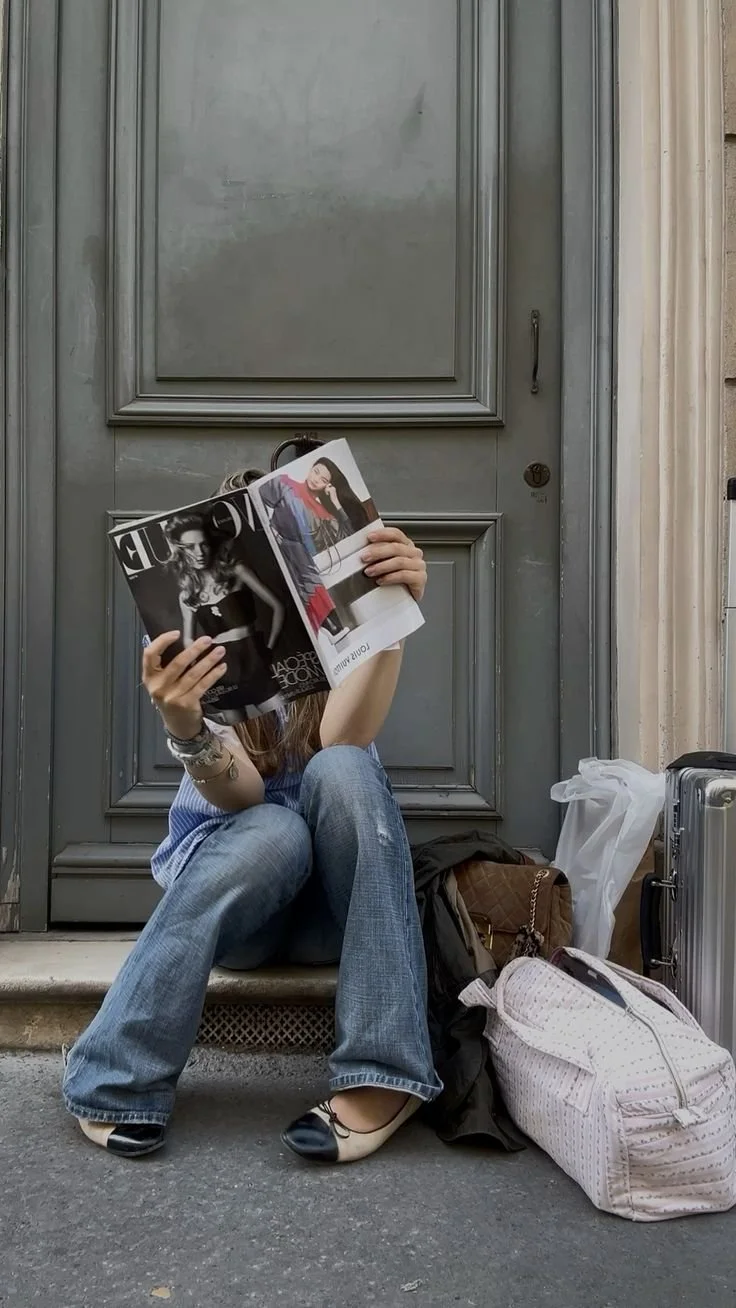
Once upon a time, advertising was loud, obvious, and borderline aggressive. Think: unskippable commercials, pop-up ads that hijacked your screen, and magazine spreads yelling NEW! in 72-point font. We tolerated it because we had no choice.
Now? We scroll.
And somewhere between a “get ready with me,” a chaotic Trader Joe’s haul, and a “things I would never buy again” video, advertising quietly reinvented itself. Ads didn’t disappear—they put on better outfits and learned how to talk like us.
Welcome to the influencer-first economy, where the most effective ads don’t feel like ads at all.
Why it works: creators are the new media channels
Traditional advertising asks you to believe a brand when it tells you something is “revolutionary.” Influencer marketing shows you the product half-used, tossed on a bathroom counter, or styled three different ways in natural lighting. One feels like a pitch. The other feels like proof.
Creators don’t just sell products—they sell context. They show how something fits into real life, not a fantasy world where everyone wakes up with perfect skin and marble countertops. And because trust was built before the sponsorship, the message lands differently.
Platforms noticed. Meta’s Partnership Ads—where brands run paid ads using creator content—outperform traditional brand ads, delivering higher engagement and lower acquisition costs on average. Translation: people would rather hear about a product from someone they follow than from a brand trying to sound “relatable” on its own.
How brands are using influencers now (and why it’s nothing like 2017)
Influencer marketing used to mean one pretty photo, one caption, and one awkward #ad at the end. That era is over.
Now, brands treat creators like living, breathing ad units. They collect dozens of videos—story-times, unboxings, “three ways to style,” brutally honest reviews—and test them like science experiments. The most chaotic, low-effort video often wins. Perfection is out. Personality is in.
Even massive corporations have embraced this. Unilever has publicly committed to working with close to 300,000 influencers globally. That’s not a trend—it’s a business model. Instead of betting everything on one glossy campaign, brands are spreading their chips across creator content that actually feels native to the feed.
The creator as the retail channel
Here’s where things get really wild: influencers aren’t just marketing products anymore—they’re selling them directly.
TikTok Shop turned scrolling into shopping with terrifying efficiency. During the 2025 Black Friday–Cyber Monday stretch, U.S. TikTok Shop sales reportedly topped $500 million in four days. That’s not “add to cart later.” That’s impulse buying in real time because someone said, “I literally use this every day.”
Meanwhile, Adobe reports U.S. online holiday spending hit $257.8 billion in 2025, with social media playing a growing role in driving sales. Advertising has officially collapsed into checkout. Discovery, recommendation, and purchase now happen in the same 15-second video.
Dangerous? Yes. Effective? Also yes.
The creator as the brand
In fashion and beauty especially, brands don’t just use influencer culture—they are influencer culture. Entire aesthetics are born from one viral post. A creator wears something once and suddenly it’s “the it item.” Miss the moment and it’s already over.
Even when brands run traditional campaigns, they often break them down into lo-fi, creator-style clips because that’s what performs. Polished ads now cosplay as organic content. Authenticity isn’t just a vibe—it’s a KPI.
The uncomfortable truth: the creator economy isn’t as equal as it looks
Here’s the part no one puts in their “become an influencer” TikTok. As influencer marketing money grows, it’s pooling at the top.
In 2025, the top 10 percent of creators earned more than 60 percent of influencer ad payments, and the top 1 percent took home over 20 percent. Brands love “relatable,” but they really love proven results.
That’s why many brands now run a split strategy: big creators for reach and cultural impact, smaller creators for trust, affordability, and high-performing content. The goal isn’t one star—it’s a roster.
What this means for advertising (and for you, the person doom-scrolling)
Ads are harder to spot, but easier to believe. Marketing teams look less like Mad Men and more like talent scouts with spreadsheets. And social media? It’s no longer just for awareness—it’s driving real revenue.
In fact, reporting shows that roughly a quarter of U.S. holiday retail revenue is now influenced by social and affiliate marketing, with social-driven sales growing fast year over year. This isn’t a side hustle for brands anymore. It’s the main event.
The UnFold take: ads didn’t die—they got cooler
Influencers didn’t kill advertising. They gave it better social skills.
The brands winning right now aren’t shouting—they’re collaborating. They’re letting creators speak in their own voices, testing relentlessly, and scaling what already feels natural. The future of advertising isn’t louder. It’s smarter, softer, and way more embedded in our feeds.
So next time you buy something because “someone on TikTok put you on,” just know—you didn’t fall for an ad. You experienced the modern version of one. And honestly? It worked.